Understanding the Difference Between Container and RoRo Shipping
If you’re preparing for international vehicle transport, one of the biggest decisions is choosing between RoRo shipping and container shipping.
Customers researching RoRo vs container shipping often want to know the same things:
- Which option is more affordable?
- Which option offers more protection?
- What kinds of vehicles work best with each method?
- Does the destination affect the decision?
- And ultimately: which option makes the most sense for their shipment?
The answer depends on the vehicle, the destination, the customer’s priorities, and how the shipment needs to be handled.
At Horizon Auto Shipping, both methods are used regularly. Some customers prioritize lower cost and simplicity. Others prioritize protection, flexibility, or the ability to ship additional items with the vehicle.
Understanding how each method works helps make that decision much easier.
What Is RoRo Shipping?
RoRo shipping stands for “Roll-On/Roll-Off.”
With RoRo car shipping, vehicles are driven directly onto the vessel, secured inside the ship, and then driven off once the vessel reaches its destination.
A RoRo ship functions somewhat like a floating parking structure, with vehicles secured on lower decks during transport.
Because the process involves less labor, equipment, and handling than container shipping, RoRo shipping is often one of the more affordable ways to transport an operable vehicle internationally.
However, there are limitations.
Vehicles shipped by RoRo must:
- Run
- Steer
- Roll
- Brake
RoRo carriers also generally prohibit personal goods, spare parts, or loose items inside the vehicle.
For customers shipping operable daily drivers or newer vehicles, RoRo car shipping is often a practical and cost-effective option.
What Is Container Shipping?
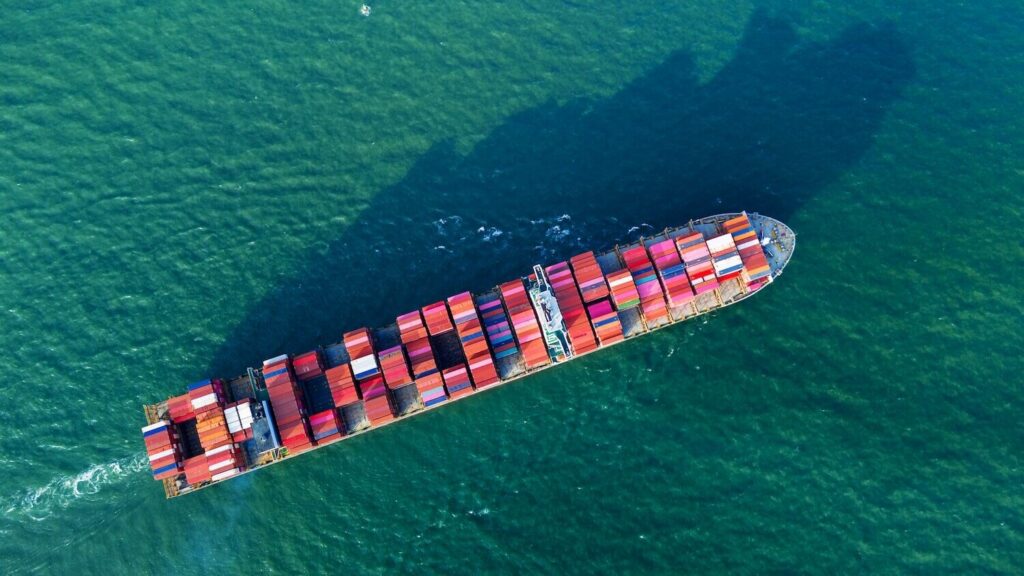
Container shipping involves transporting a vehicle inside a sealed cargo container throughout the shipping process.
Loading typically takes place at a warehouse, where vehicles are positioned inside the container and secured using lashing materials designed to stabilize the vehicle during overseas transport.
After loading, the container is sealed and generally remains unopened until reaching the destination, except in situations involving customs examinations.
Compared to RoRo, container shipping provides:
- More physical protection
- Greater control over handling
- Additional security
- Flexibility for non-running vehicles
- Space for approved spare parts or personal items
Because of those advantages, enclosed car shipping and enclosed auto shipping are often preferred for:
- Classic cars
- Collector vehicles
- Race cars
- Motorcycles
- Campers
- High-value vehicles
- Non-operable vehicles
Container shipping is commonly used when customers need to ship spare wheels, bumpers, tools, or additional cargo alongside the vehicle.
RoRo vs Container: What’s the Difference?
When comparing RoRo vs container shipping, the biggest differences usually come down to:
- Cost
- Protection
- Vehicle condition
- Destination requirements
RoRo Shipping
Best suited for:
- Operable vehicles
- Daily drivers
- Late-model vehicles
- Customers prioritizing lower shipping costs
Advantages:
- Lower cost
- Simpler loading process
- Faster port handling in some cases
Limitations:
- Vehicle must run and drive
- No personal goods allowed
- More handling during transport
- Less protection than container shipping
Container Shipping
Best suited for:
- Classic or collectible vehicles
- High-value vehicles
- Race cars
- Motorcycles
- Non-running vehicles
- Customers shipping spare parts or personal goods
Advantages:
- Greater protection and security
- Sealed transport environment
- Ability to include approved cargo
Limitations:
- Higher cost
- More labor and handling required
- Longer preparation process in some cases
Which Vehicles Usually Ship by Container?
Certain vehicles are more commonly shipped using a car shipping container because of their value, condition, or shipping requirements.
Examples include:
- Classic cars
- Collector vehicles
- Race and rally cars
- Motorcycles
- Campers
- Specialty vehicles
- Non-running vehicles
For example, race cars often ship with:
- Extra wheels
- Spare bumpers
- Tools
- Parts and equipment
Because RoRo carriers generally prohibit additional cargo inside the vehicle, container shipping becomes the more practical option.
Older vehicles are also commonly moved through enclosed vehicle shipping because reliability can become a factor. Even if a classic vehicle runs properly most of the time, customers may prefer container transport to avoid issues during loading or unloading.
Which Vehicles Usually Ship by RoRo?
For many customers, RoRo shipping works well for:
- Daily drivers
- Operable SUVs and trucks
- Late-model vehicles
- Relocation vehicles
- Budget-focused shipments
If a customer is shipping a standard operable vehicle and does not need additional cargo protection or enclosed transport, RoRo car shipping is often the simpler and more affordable choice.
Vehicle value also plays a role.
Some customers are comfortable shipping lower-value vehicles via RoRo, while others prefer the additional protection of a container even for standard vehicles.
How Destination Affects the Decision
In some cases, the destination itself helps determine whether container or RoRo shipping makes more sense.
Certain regions rely more heavily on container shipping due to:
- Port infrastructure
- Carrier availability
- Routing limitations
- Local regulations
For example:
- Some South American routes operate primarily through containers
- Certain African routes have historically relied heavily on container transport
- Some ports support RoRo while others are container-only
Even within the United States, port capabilities vary.
For example:
- The Port of Houston primarily handles container shipments
- Galveston is heavily associated with RoRo traffic
- Some East Coast ports support both methods
This is one reason shipping recommendations are often highly route-specific.
Cost vs Protection: How Customers Usually Decide
One of the biggest factors in the RoRo vs container decision is balancing cost against protection.
Because container shipping involves:
- Additional labor
- Container equipment
- Warehouse loading
- Higher port fees
…it generally costs more than RoRo shipping.
Customers sometimes researching questions like “how much does a shipping container cost” are often surprised by how much labor and coordination goes into properly securing a vehicle inside a container.
At the same time, container shipping provides:
- Greater physical protection
- Reduced handling exposure
- Better security
- More insurance flexibility
For many customers, the decision comes down to:
- Vehicle value
- Sentimental importance
- Risk tolerance
- Shipment goals
- Budget
Common Misconceptions About RoRo Shipping & Containers
One common misconception is that customers can leave personal items inside vehicles during RoRo shipping.
In most cases, RoRo carriers prohibit loose cargo or personal belongings inside the vehicle.
Another misconception is timing.
Customers sometimes assume vehicles ship immediately after arriving at port, but international shipping schedules depend on:
- Vessel availability
- Carrier schedules
- Port timing
- Customs procedures
- Container consolidation
Container shipments may also take longer to prepare because the vehicle must be loaded and secured before export.
How Horizon Helps Customers Choose the Right Shipping Method
There is no universal “best” shipping method.
The right option depends on:
- Vehicle condition
- Destination
- Budget
- Timeline
- Cargo needs
- Protection preferences
When helping customers decide between RoRo shipping and container shipping, Horizon reviews:
- Vehicle year, make, and model
- Whether the vehicle runs and drives
- Origin and destination
- Insurance preferences
- Whether parts or personal goods are being shipped
The goal is not to push customers toward one option over another.
It’s to help customers understand the tradeoffs clearly enough to make the right decision for their specific shipment.
Need Help Choosing Between RoRo and Container Shipping?
Every international shipment is different, and there is no universal “best” option when comparing RoRo vs container shipping.
Some customers prioritize cost. Others prioritize protection, flexibility, or the ability to ship additional items with the vehicle.
Tell us about your shipment, and Horizon will help you determine the right approach.